Buying a Used Lotus: What to Check
Which model to choose, what goes wrong, and how to inspect a car built from bonded aluminium and glass fibre.
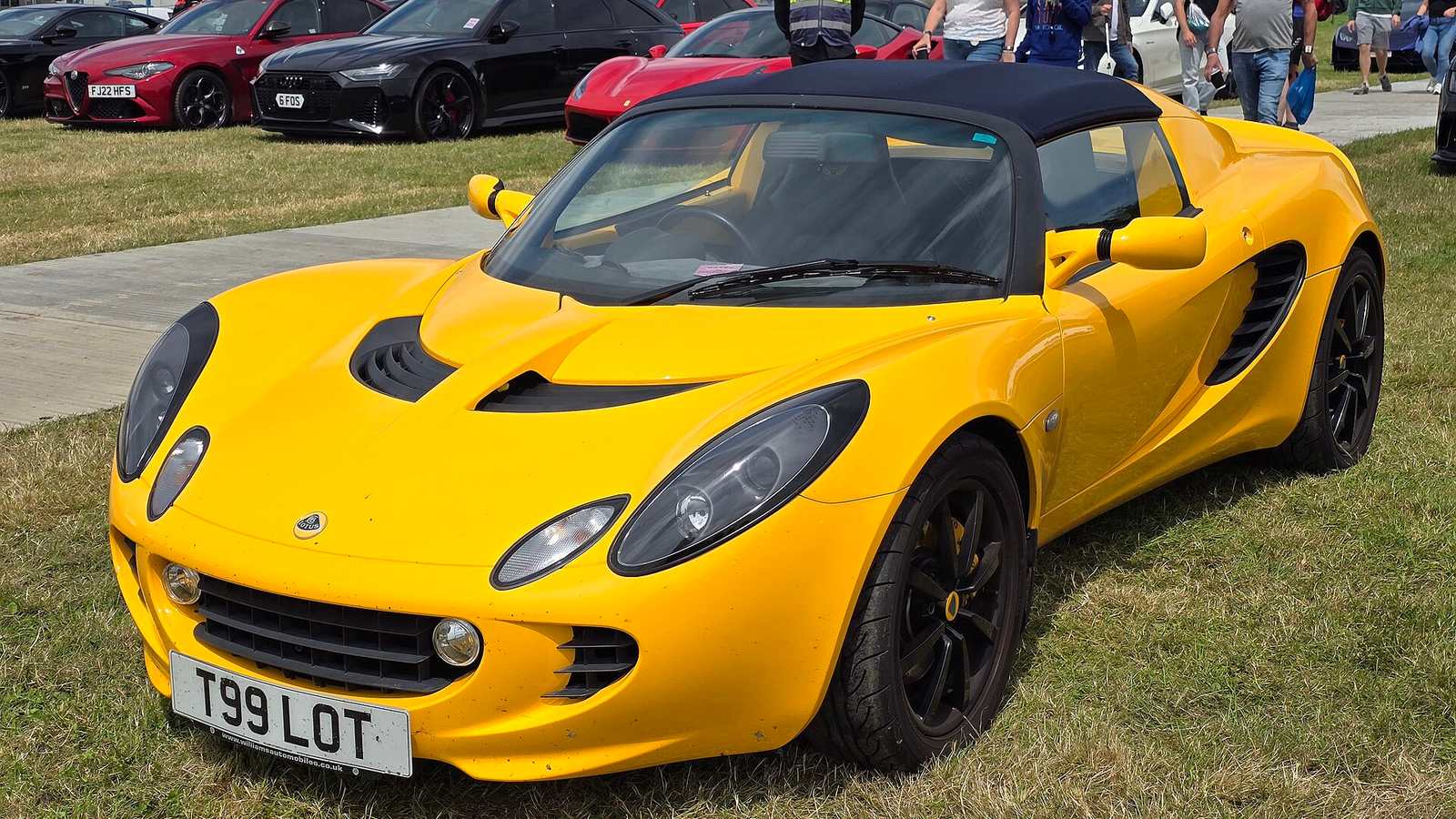

The Elise is simple, light and mechanically robust, particularly with a Toyota engine. What makes buying one different from buying an ordinary used car is the construction: a bonded aluminium tub that is very hard to repair, wrapped in large one-piece composite body sections that are expensive to replace.
Choose the model first
- Series 1 (1996 to 2001). The lightest and most collectable. Rover K-series engine. Buy on condition and history. See the S1 guide.
- Series 2 Rover (2001 to 2005). The cheapest way in. Same engine caveats as the S1.
- Series 2 Toyota (2004 to 2011). The sweet spot for use: reliable 2ZZ or 1ZZ engine, ABS, good parts supply. This is the only generation sold in the United States. See the S2 guide.
- Series 3 (2011 to 2021). The best built, with supercharged torque in the S, Sport and Cup models. See the S3 guide.
- Evora and Emira. Larger, more comfortable and easier to live with. See the Evora and Emira guides.
- Exige. Stiffer, louder, more focused. The S2 is the classic track day car; the V6 is a much faster and more expensive machine.
Structure: the part you cannot fix cheaply
Put the car on a lift. A specialist pre-purchase inspection is worth every penny.
- The tub. Look along the sills and floor for dents, creases, cracks in the adhesive joints and any sign of welding or repair. Damage to the bonded chassis usually means a replacement tub, which can write the car off.
- Suspension pick-ups. Check where the wishbones mount to the chassis for distortion or cracking. A hard kerb strike shows here.
- Front crash structure. A composite section ahead of the tub. Cracks or repairs mean a frontal impact.
- Rear subframe. Steel, and prone to corrosion on older cars, particularly in salted-road climates.
- Undertray and floor. Scrapes are normal. Deep gouges, missing fixings or a deformed floor are not.
Bodywork
The front and rear “clams” are single mouldings. Check for:
- Star cracks and crazing in the gel coat, especially around the front corners and wheel arches
- Paint mismatch between panels, which suggests repair
- Uneven panel gaps around the doors and bonnet
- Stone chipping on the nose, sills and ahead of the rear wheels, which is universal and only matters as a negotiating point
Engine and gearbox
Rover K-series. Head gasket failure is the known problem. Look for evidence of an uprated gasket and head work, a clean coolant expansion tank with no oil, steady temperature and no pressurising of the cooling system. The engine is light and lively when healthy.
Toyota 2ZZ-GE. Strong and reliable. Check that the high cam engages cleanly at about 6,200 rpm with a clear change in sound and pull, check oil level and consumption, and on US cars confirm the oil cooler line recalls. Second and third gear synchros can wear on hard-used cars.
Toyota 1ZZ, 1ZR and 2ZR. Few specific problems. On supercharged cars, check the service history and listen for bearing noise from the supercharger.
Toyota V6. Very robust. The clutch is the expensive wear item, since replacing it is a big job.
Suspension, brakes and steering
- Worn dampers show as bouncing or a loose, nervous rear end.
- Check rear toe-link joints for play. Ask whether an uprated kit is fitted.
- Wheel bearings are a regular replacement item on tracked cars.
- The steering should be light, direct and free of knocks. There is no power assistance on four-cylinder cars, so heavy steering at parking speed is normal.
Interior and roof
- Seat bolsters and the driver’s sill wear from getting in and out.
- Wet carpets mean a leaking roof seal or a blocked drain.
- Check the heater, air conditioning if fitted, windows and all lights. Electrical faults are usually minor but irritating.
History and paperwork
- A complete service record from a Lotus dealer or recognised specialist matters more than low mileage.
- Ask directly about track use. It is not a reason to walk away, provided the maintenance matches it.
- Check for accident and insurance write-off history. Repaired cars can be fine, but only with documented, professional work.
- Run the VIN through the official recall checker for your country. See the recalls guide.
- Modifications affect value in both directions. Keep original parts if they come with the car.
Where to look
Owners’ forums and club classifieds are the best source of cars with known histories. The communities page lists the main ones.