Tech ·
Coolant Before the First Frost: Antifreeze and Air Locks in a Mid-Engined Lotus
Antifreeze weakens and its corrosion inhibitors wear out with age. How to test it before the frosts, and why a front radiator makes bleeding matter.
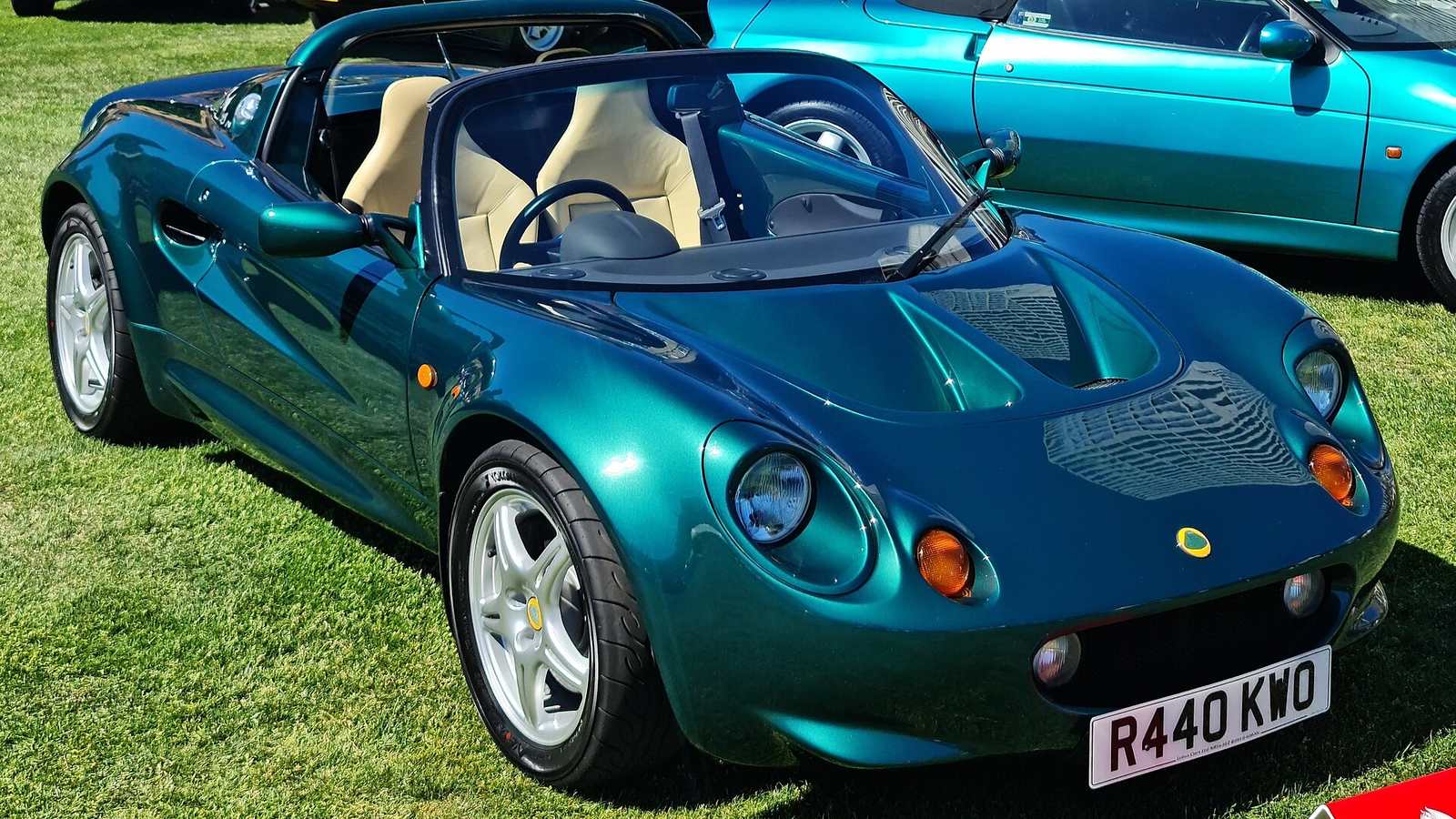

The first frosts are arriving in much of northern Europe, and coolant is one of the cheapest things to check before they get serious. On a mid-engined Lotus it is also easy to get wrong.
What antifreeze actually does
Coolant is a mix of water and antifreeze, usually in roughly equal parts. The antifreeze, normally based on ethylene glycol, lowers the freezing point of the water so it does not turn to ice in the engine. Water expands as it freezes, and ice in a cooling system can split hoses, crack a radiator or push out the core plugs in the block.
The same fluid also raises the boiling point and carries corrosion inhibitors that protect the metal inside the engine and radiator. Those inhibitors are used up over time, which is why coolant has a replacement interval even if the level never drops. Your handbook or service schedule gives the interval and the type of coolant the car was built with. Stick to that type: different chemistries do not always mix well.
Testing it
A coolant hydrometer or a refractometer costs little and tells you the freezing point of what is in the car. Test it cold, with the engine off. Never open the cap on a hot engine, because the system is under pressure.
If the protection is weak, the usual cause is topping up with plain water over the years. If the coolant looks rusty, oily or murky, the inhibitors are probably spent, and a drain and refill is the better answer than adding more antifreeze.
The long way round
On the Elise, Exige, Evora and Emira the engine sits behind the driver and the radiator sits in the nose. The coolant has to travel the length of the car and back, which means long pipe runs and plenty of places for air to collect.
An air lock can stop coolant reaching the engine properly, leaving a hot spot even when the expansion tank looks full. Our known issues guide lists proper bleeding as a cooling system point for this reason, and on Rover K-series cars, where head gasket failure is the known weakness, overheating is the last thing you want.
A sensible autumn routine
- Check the level cold, at the expansion tank, against the marks.
- Test the freezing point and note the result.
- Look at the pipes and radiator. Weeping joints, damp hoses and tired plastic end tanks on original radiators are common on older cars.
- If you drain and refill, bleed it properly, following the procedure for your model, then check the level again after the first drive.
If the car is going away for the winter, do this before it is laid up, along with battery care. A car in an unheated garage still needs protection against a hard frost.