Road spotlight ·
Road Spotlight: The Route Napoléon Under France's Winter Equipment Rules
The high Alpine passes have shut, but the Route Napoléon stays open all winter. Since 1 November, much of it also needs winter tyres or chains on board.
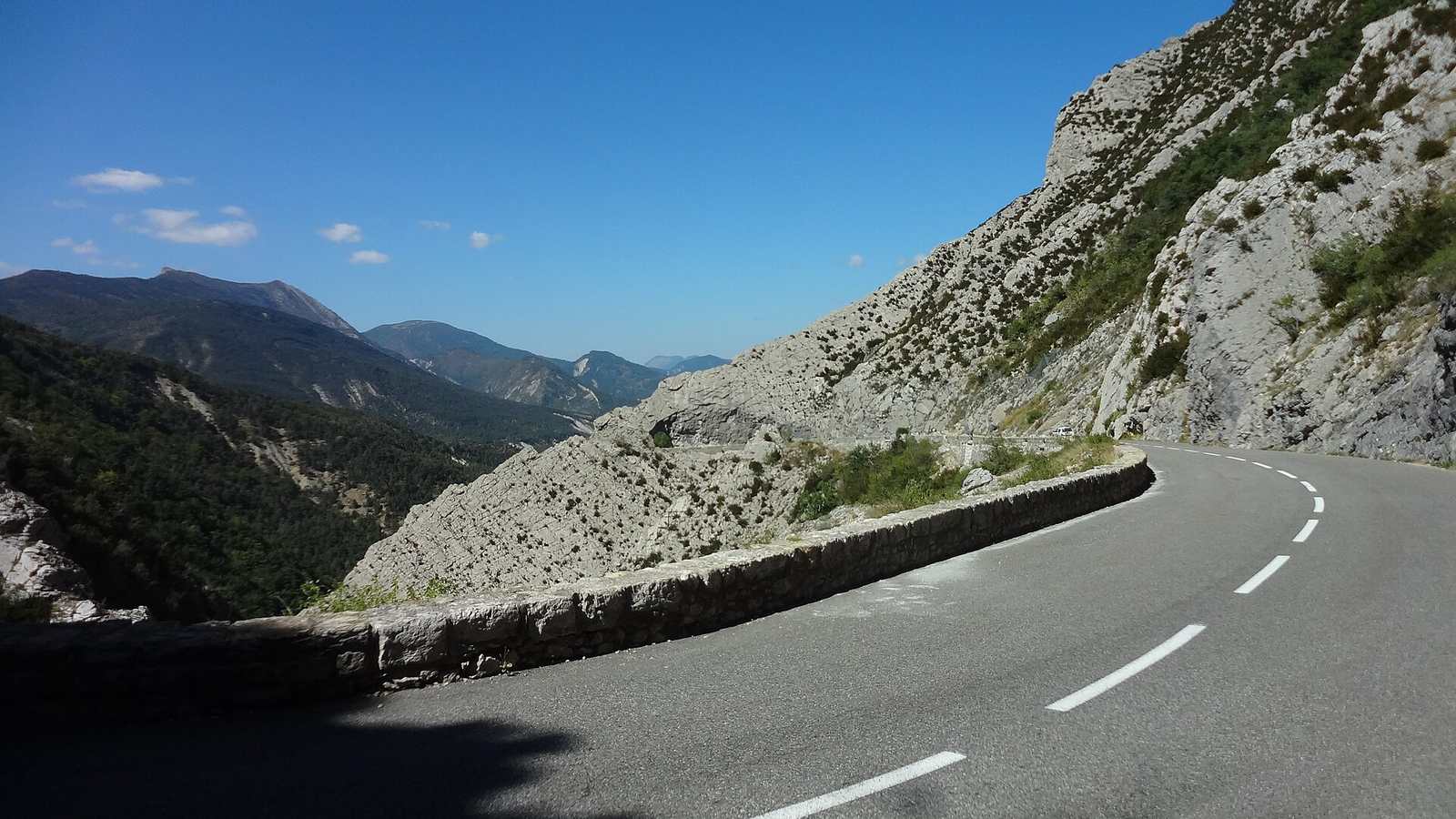

With most of the high passes on the Route des Grandes Alpes closed until late spring, the obvious mountain road for a November run in the south of France is the Route Napoléon. It is a main road, kept open all year, and its best section, from Grasse over the Col de Valferrière (1,169 m) to Castellane, climbs high enough to feel alpine without the snow risk of a true pass.
There is one change to plan for. Since 1 November, France’s mountain winter rules have applied again, and they cover much of this road.
What the rules require
From 1 November 2026 to 31 March 2027, the prefects of 34 mountain departments name the communes where cars must be equipped for winter, according to the government’s Service-Public notice of 20 October. In those communes you need either four winter tyres, or snow chains or textile snow socks in the car. Only tyres with the 3PMSF marking (the mountain and snowflake symbol) count as winter tyres.
Signs mark the start and end of each zone. The Route Napoléon runs from the Alpes-Maritimes into the Alpes-de-Haute-Provence and the Hautes-Alpes, all three departments in the scheme, so check the list of communes on the Sécurité routière site before you set off. It changes from year to year.
What it means in a Lotus
Most Lotus cars wear summer or track-biased tyres, so carrying chains or socks is the practical answer. Check the clearance first. The wheel arches on an Elise or Exige are tight, and the chain or sock maker will list the tyre sizes and clearances it supports. Socks are lighter and easier to fit at the roadside, which suits occasional use.
Summer tyres also lose grip well before there is any snow, as our piece on track tyres in cold weather explains.
The drive in November
The road is at its quietest. The summer caravans and weekend motorcycle groups have mostly gone, and the open, well-sighted curves between Grasse and Castellane need no more than a steady pace to enjoy. North of Castellane, the Clue de Taulanne and the Col des Lèques are shaded for much of the day, so expect damp patches and morning frost even after a bright start on the coast.
Start from Grasse mid-morning, once the frost has lifted, and aim to be off the higher sections before dusk. The village speed cameras stay in place all year.
Before you go
- Carry chains or socks that fit your tyres, and practise fitting them at home.
- Start with a full tank. Inland fuel stations keep shorter hours out of season.
- Check the forecast for Digne and Gap as well as Nice.
Our road trip preparation guide covers the checks worth doing before a long winter run. If the weather turns, the Col de Turini is not the safer alternative: it climbs much higher and is far more exposed to snow and ice.