Tech ·
Elise Fuel Pumps: The Australian Recall and the Signs of a Failing Pump
Lotus Australia has recalled 114 Elises built from 2014 to 2021 over a fuel pump fault. What the notice says, and how a failing pump shows itself.
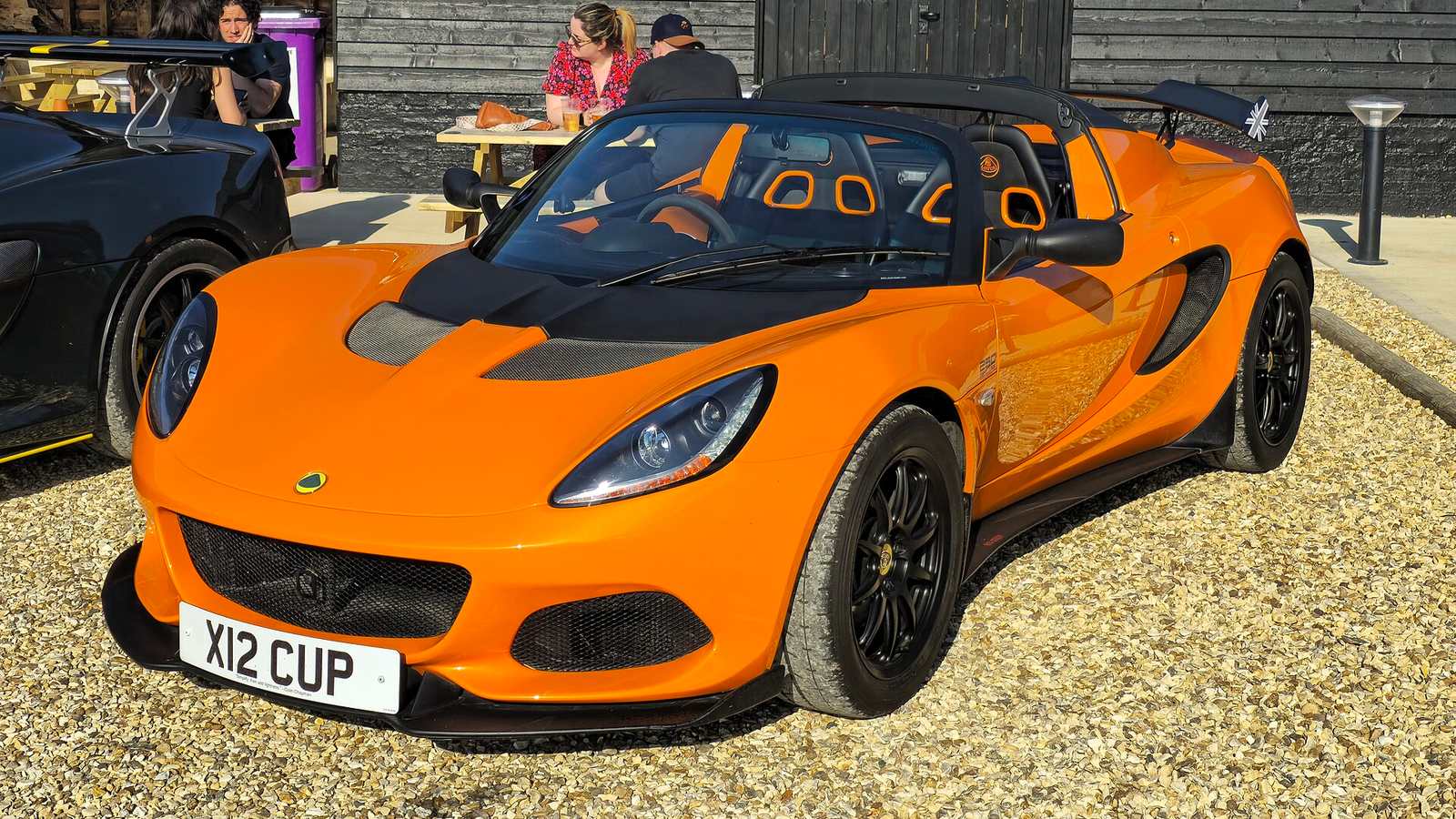

Most owners never think about the fuel pump until the car stops. A recall issued in Australia in late October is a good reason to think about it now, whether or not your car is covered.
What the recall covers
According to CarExpert, Lotus Australia has issued a nationwide safety recall, number REC-006751, for 114 Elises built between 2014 and 2021. That is the later part of the Elise Series 3 run.
The notice says a manufacturing defect may deform the impeller in the low-pressure fuel pump, so that it fouls the pump casing and the pump stops working. If that happens the engine could stall, with a sudden loss of power. The notice warns this could increase the risk of an accident.
Lotus dealers will contact affected owners to arrange the repair free of charge. Owners can also contact Simply Sports Cars, the Australian distributor, on 02 8424 7777 or at warranty@lotuscars.com.au. The VIN list is published with the notice on the government’s vehicle recalls website.
We could not find a matching campaign in other markets when writing this, but that is not proof there is none. Owners elsewhere should check their VIN with their national database or a dealer. Our recalls and known issues guide lists where to look in each country.
How an electric fuel pump works
The pump is a small electric motor that spins an impeller, a wheel with vanes or slots, which pushes fuel from the tank towards the engine. Because the impeller runs in close contact with its housing, anything that changes its shape can make it rub, slow down or jam. That is the fault the Australian notice describes.
Signs a pump may be on its way out
A pump can fail without warning, but these are the common symptoms owners report on many cars:
- the engine takes longer to catch than usual, especially when warm
- hesitation or a flat spot under load, such as on a long uphill drag
- a louder or rougher whine from the pump than you remember
- the engine cutting out and then restarting after a short wait
None of these points only to the pump. Blocked filters, failing relays, wiring faults and sensors can all cause the same complaints, so have a specialist test fuel pressure before buying parts.
Before a long drive
A stall on a quiet B-road is an inconvenience. On a busy junction or a mountain pass with no verge it is a real hazard. If your car shows any of the signs above, get it looked at before the next trip, and add a recall check to the list in our road trip preparation guide.