Tech ·
Cold Mornings and Track Tyres: What Changes Below 7°C
Semi-slick tyres such as the Yokohama A048 and Michelin Cup 2 lose grip in the cold. What happens to the rubber, and how to drive a Lotus through autumn.
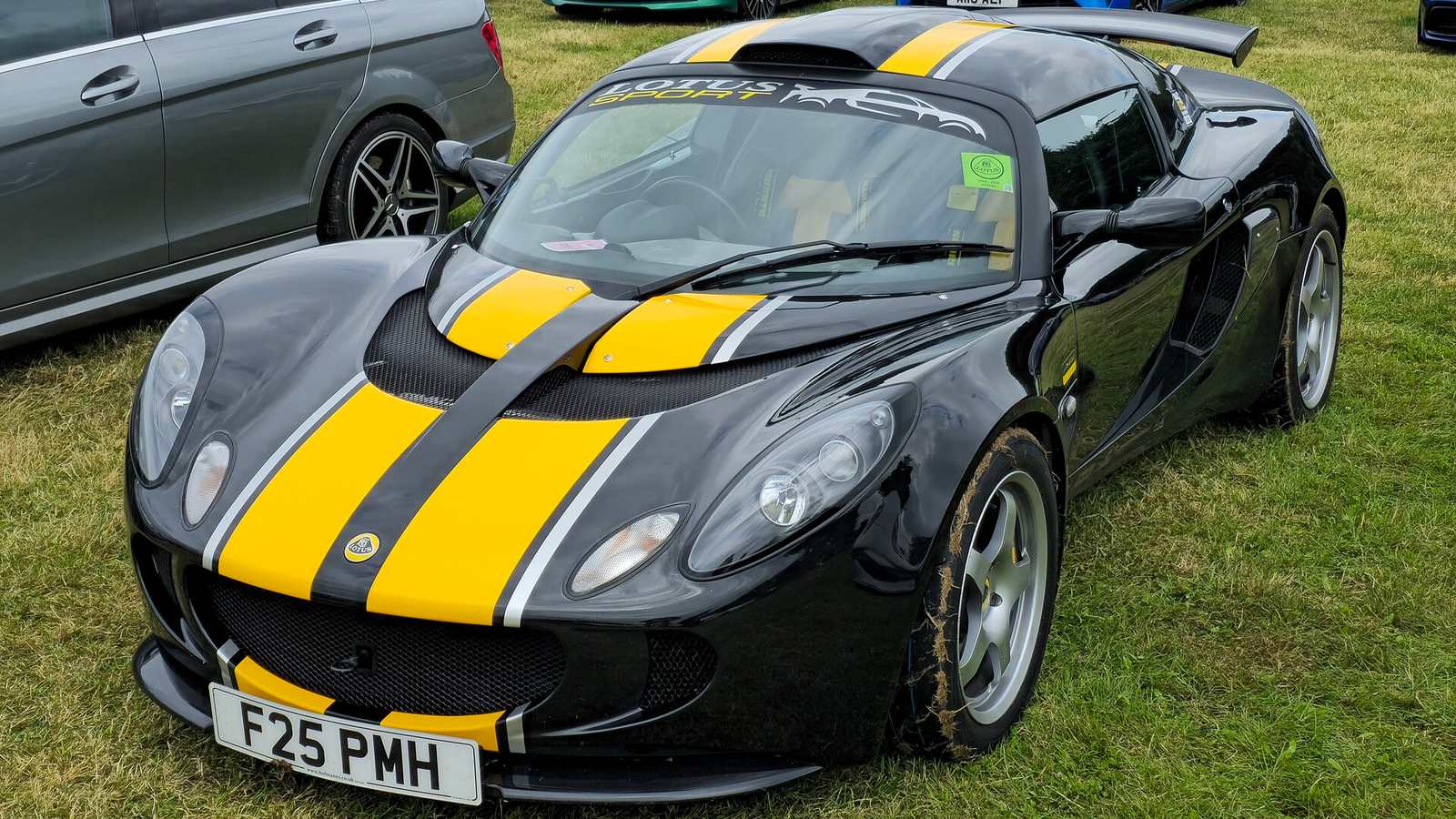

October is when a Lotus that felt planted all summer starts to feel nervous on the first roundabout of the day. Nothing is wrong with the car. The tyres are cold, and on a light car with track-biased rubber that matters more than on almost anything else.
What the cold does to the rubber
Every tyre compound is designed to work across a range of temperatures. Below that range the rubber stiffens and stops keying into the road surface, so grip falls away. Summer tyres are built for warm tarmac, and the figure tyre makers usually quote as the lower edge of their comfortable range is about 7°C.
Track-biased tyres sit at the far end of this. Michelin’s technical bulletin for the Pilot Sport Cup 2 R, a tyre it describes as designed for dry track use, gives 70 to 100°C as the best running temperature for the rubber on circuit. The same bulletin says the tyre should not be used, rolled or dropped below minus 10°C, and that a tyre which has been that cold should be warmed in a heated space to at least 5°C before the car is moved.
Why a Lotus feels it more
A heavy car pushes heat into its tyres within a few miles. An Elise weighs well under a tonne, so its tyres warm slowly and may never reach their working range on a cold, damp road. Semi-slicks also have shallow, sparse tread, which leaves little to clear standing water.
This affects many cars in the range. The Exige S2 was supplied on the Yokohama A048. The Emira comes on Goodyear Eagle F1 SuperSport tyres as standard, with the Cup 2 offered alongside the Sports suspension, so check which your car has.
How to drive through autumn
- Assume less grip all day. On a 5°C morning the tyres will not come up to temperature on the road. Brake earlier and be gentle with the throttle out of junctions.
- Watch the first cold, wet day. Leaves, damp tarmac and a cold semi-slick are a poor combination, particularly in a mid-engined car.
- Check pressures. Pressure drops as the air cools. Set them cold, to the figures on the car’s tyre placard.
- Do not weave to warm them. It does very little on the road and is not safe in traffic.
Changing tyres or putting the car away
If you drive all year, a road-biased summer tyre in the Lotus sizes is the practical answer, and it is the right choice for a late trip such as the Sa Calobra run. Winter tyres are required in wintry conditions in several alpine countries.
If the car is laid up, store track tyres somewhere that stays above freezing. For the rest of the pre-trip checks, see the road trip preparation guide.