Road spotlight ·
Road Spotlight: The Great Ocean Road Before the Summer Crowds
Late spring is a good time to drive Victoria's Great Ocean Road, with long evenings and before the summer holiday traffic. Where to drive and what to watch for.
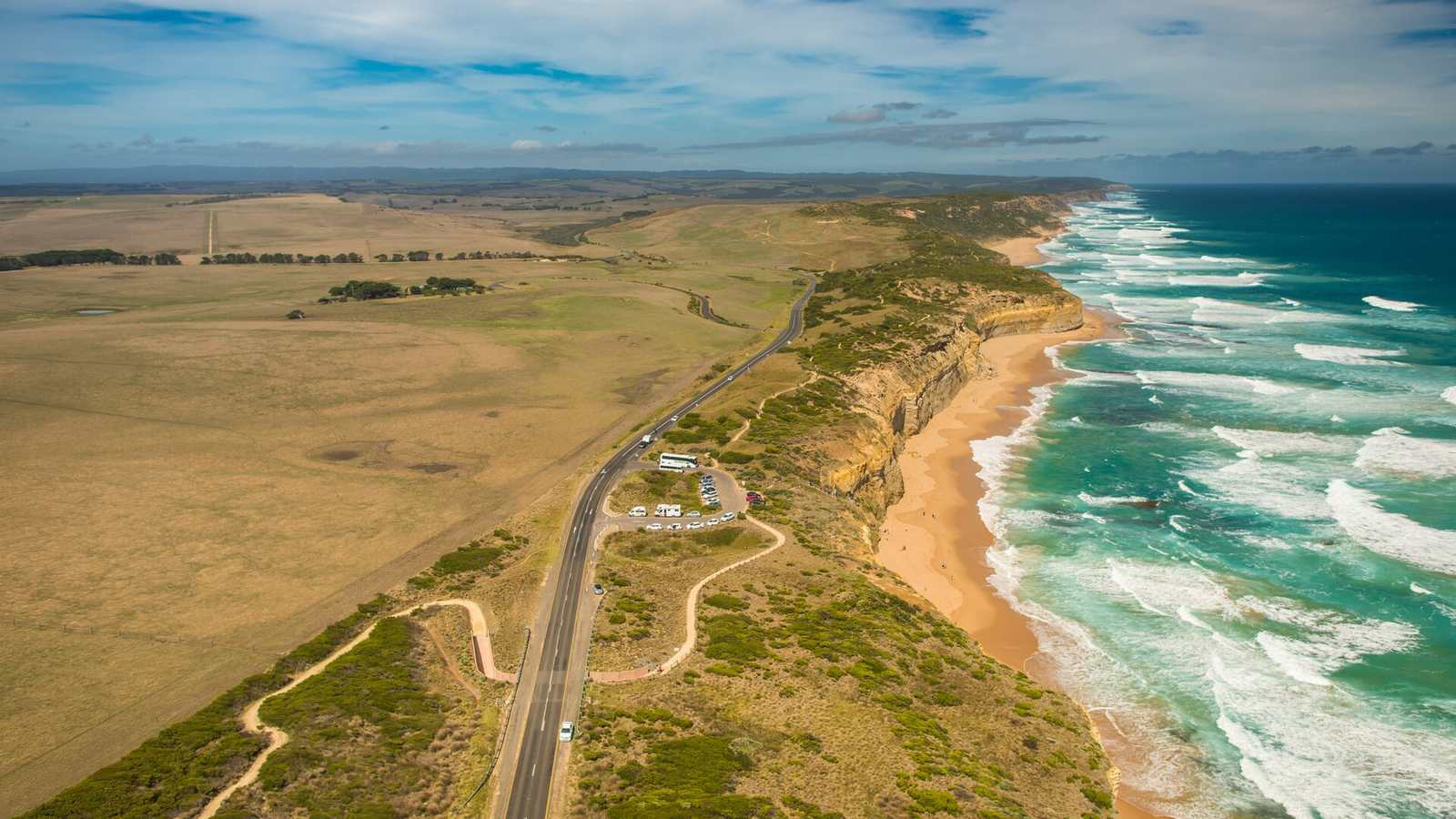

While the northern hemisphere lays its cars up for the winter, Victoria is heading into summer. The Great Ocean Road is drivable all year, but late November has a lot going for it: the days are long, the worst of the winter weather has passed, and the main summer holiday season, when the coast is at its busiest, has not yet begun.
A road with a purpose
The road was built by returned servicemen between 1919 and 1932 as a memorial to those killed in the First World War. It runs 243 km along the coast of Victoria, from Torquay to Allansford near Warrnambool, and it is often described as the world’s largest war memorial. That history is worth keeping in mind on the drive: this is a public road through small coastal towns, not a circuit.
The driver’s section
For a Lotus, the stretch that matters is from Anglesea through Lorne to Apollo Bay. Between Lorne and Apollo Bay the road follows every fold of the coast for around 45 km, cut into the cliffs a few metres above the surf. The corners are tight, the straights are short, and the views are a constant distraction, so keep your eyes on the road and use the lay-bys to look at the sea.
Beyond Apollo Bay the road turns inland through the rainforest of the Otways before returning to the coast at the Twelve Apostles. The inland roads are worth a detour too. Skenes Creek Road and the road from Lorne to Deans Marsh both climb into the hills behind the coast and are usually quieter than the main route. An Elise or Exige on road tyres is ideal here, and the Emira is comfortable enough to make a weekend of it.
Late spring conditions
Spring weather on this coast is changeable. A warm, still morning can turn to rain and strong wind off the Southern Ocean within a few hours, and the cliffside sections can carry damp patches and fallen debris after a wet night. Sections of the road are occasionally closed after landslips or storms, so check VicTraffic before you set off.
What to watch for
- Speed limits. The coastal section is mostly 80 km/h, lower in the towns and on some corners, and enforcement is strict.
- Visiting drivers. Many tourists are unused to driving on the left; the road carries signs reminding them. Leave space and expect sudden stops at viewpoints.
- Wildlife. Kangaroos and koalas are on the roads in the Otways, especially around dusk.
- Timing. Go early on a weekday. Coaches and day-trip traffic from Melbourne build through the morning.
Victoria has one of the largest groups of Lotus owners in Australia, and club runs along this coast are a regular fixture. The events page lists tarmac rallies and gatherings in the region, and our road trip preparation guide covers the checks worth making before a long drive.